Okay, so picture this—I’m standing in my kitchen, coffee cooling, reading a thread about someone who lost six figures because they stored their seed phrase as a photo on cloud storage. Wow. That hit different. Really? You can do better than that. My instinct said don’t freak out, but do fix your setup right now.
Here’s the thing. Seed phrases are the master keys to your crypto. Short sentence—no drama: lose the seed, you lose the funds. Medium explanation: most people treat them like passwords, which is backward; a seed phrase is a literal reproduction of your private keys. Longer thought: if you combine a poorly backed-up seed with everyday conveniences (cloud backups, screenshots, saved notes), you’re basically inviting loss or theft, whether it’s from an opportunistic scammer, a device compromise, or a house fire that destroys your single printed copy.
So what follows is practical, battle-tested advice for three related tasks: creating and protecting a seed phrase, setting up cold storage properly, and trading without unnecessarily increasing risk. I’ll be blunt where I need to be, hedged where I should be, and honest about limits—I’m not a lawyer or your financial planner, just someone who’s learned from other people’s costly mistakes and my own.
Why seeds deserve ritual-level respect
Short: treat the seed like your last living will. Medium: that sounds dramatic because it kind of is—seeds outlive passwords, phone numbers, and email accounts. Longer: people often underestimate the combined risk of social engineering plus device compromise, so centralizing your seed (one paper copy) is an accident waiting to happen, especially if you trade actively and expose your devices to trading platforms and frequent software installations.
Whoa! Seriously? Yep. I’ve watched folks post “just in case” backups to Google Drive. My reaction was immediate—ugh. But here’s the nuance: convenience tempts us because trading sometimes requires quick access. On one hand you want speed. On the other hand, speed without safety equals catastrophic regret. Initially I thought hardware wallets alone were enough, but then I realized that the backup strategy is the weak link more often than the wallet itself.
Make a redundancy plan. Medium: that means at least two geographically separated backups. Short: not both in your house. Longer: ideally one backup sits in a safe deposit box or with a trusted family member in another city, and the other sits in a homeowner’s safe that you can access quickly, and each copy is protected against fire, flood, and casual snooping.
Material choices: paper vs. metal vs. memorized
Paper is cheap. Paper rots. Medium: people love paper because it’s easy, but it’s vulnerable to water, fire, mildew, and prying eyes. Short: not recommended as your only backup. Longer: if you use paper, laminate it and then put it in a sealed, fireproof, waterproof container; but even that is a compromise compared to metal.
Metal is the gold standard for many. Short: it’s durable. Medium: stainless steel or titanium plates resist fire and corrosion, and many products enable you to stamp or engrave seed words. Longer: the cost is modest compared to potential loss, and the trade-off is setup friction—engraving takes time and focus, which is a good thing, because it forces you to treat the backup like a deliberate act rather than an afterthought.
Memorization? Hmm… it’s romantic, and some people do partial mnemonic splits into memory, but it’s risky for most. Short: only consider for small balances. Medium: memory fades, and stress or medical events can erase words. Longer: if you insist, use a passphrase + partial memorization and keep physical copies as failsafes elsewhere; don’t rely solely on your hippocampus.
Advanced tip: passphrases and plausible deniability
Here’s a subtle trick people miss. Short: add a passphrase. Medium: many hardware wallets support an additional passphrase that tacks onto your BIP39 seed, creating effectively a second wallet tied to the same seed words. Longer: this adds a powerful layer—if your seed is stolen but the attacker doesn’t know the passphrase, your funds can remain safe, though it increases complexity and the risk of forgetting the passphrase if you don’t back it up properly.
I’ll be honest—this part bugs me because folks either ignore passphrases completely or use terrible ones like dates or pet names. Seriously? Use a long, unrelated passphrase or a well-designed diceware phrase, and store it separately from the main seed. My approach: treat the passphrase as the part you’d rather make hard to explain in an interrogation. Not to be dramatic—just practical.
Cold storage workflows that work for traders
Okay, so you trade. That usually means you need liquidity. But you can balance safety and speed. Short: split funds by purpose. Medium: keep a trading balance on an exchange or hot wallet for active positions and store long-term holdings in cold storage. Long: the ratio depends on your psychology; some traders keep 90% cold and 10% liquid, others keep 70/30—find a split you can live with without checking balances obsessively.
Another practical trick: maintain a “spend” wallet on a separate hardware device or separate account that you top up periodically. Short: this reduces risk. Medium: when you move funds from cold to spend, use a predictable schedule and documented steps; chaotic transfers increase mistakes. Longer: document the flow in a secure notebook so an emergency proxy can move funds if needed—nothing fancy, just clear steps and trusted contacts.
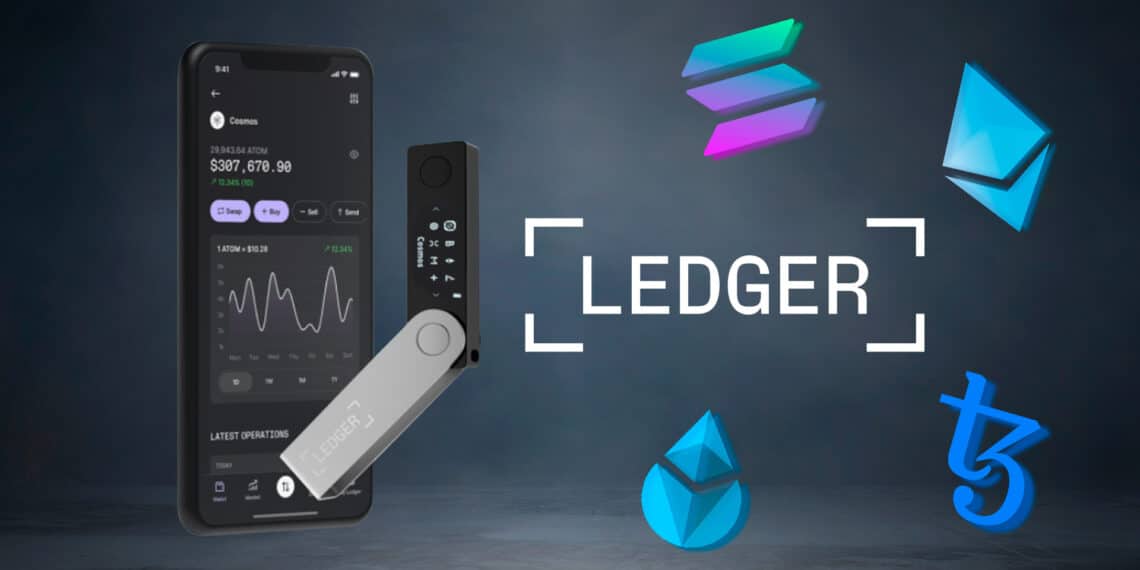
Check this out—if you use a hardware wallet for trading, don’t expose your seed during trades. Many traders use an interface like the one available in ledger live to manage interactions between cold devices and exchanges, signing transactions offline while keeping keys offline. That method minimizes exposure because the private key never touches an internet-connected computer.
Operational security (OpSec) that people ignore
Short: compartmentalize. Medium: separate email, exchange accounts, and KYC identity from your main storage. Longer: if an attacker compromises your primary email, they can use password resets to social-engineer access to exchanges and custodial services, which then makes your hardware wallet protections less relevant if you’ve also provided KYC and recovery to custodial services.
Use hardware wallets on clean machines when possible. Short: update firmware. Medium: never install random browser extensions on the same device you use for signing transactions. Longer: attackers often exploit browser extensions and clipboard hijackers to change addresses, so always confirm addresses on your hardware device screen before approving transactions.
One more: air-gapped signing. Hmm… it’s a bit fiddly but worth it for large balances. Short: use offline transaction signing. Medium: it isolates your signing device from the internet during the critical moment. Longer: set expectations—this slows you down, requires planning, and is not necessary for everyone, but for vault-level storage it’s exactly the kind of friction that deters impulsive compromise.
Common questions I get
Q: Is a hardware wallet foolproof?
No. Short answer: it greatly reduces risk but doesn’t eliminate it. Medium: hardware wallets protect against remote hacks by keeping private keys offline, but physical theft, social engineering, and bad backups still cause loss. Longer: pair hardware with strong backup practices, passphrases, and OpSec to approach a practical “foolproof” level—though nothing is absolute.
Q: How many backups should I have?
Two or three. Short: not just one. Medium: one local, one offsite. Longer: redundancy matters because single points of failure are how people lose funds; but more copies increase the attack surface, so protect each copy carefully (encryption, physical security, discreet storage).
Q: What’s better—custodial exchange or self-custody?
It depends. Short: self-custody gives control and responsibility. Medium: custodial services are convenient and sometimes insured, but you don’t control the private keys. Longer: if you value trustlessness and long-term sovereignty, self-custody with good practices is the way to go; if you need immediate liquidity or can’t manage keys securely, custodial might be pragmatic—though you must assess the counterparty risk.
Alright—wrap this up without being boring. My mood started skeptical and ended cautiously optimistic. Something felt off about casual backup habits, and my instinct was right. Initially I thought “buy a hardware wallet and you’re done,” but then I realized that backups and workflows are where people fail. Actually, wait—let me rephrase that: wallets are tools, and your procedures are the security.
Final short advice: make your seed durable, redundant, and secret. Medium: document your procedures for an emergency, use passphrases smartly, and keep trading balances separate from vaults. Longer: if you invest time in a well-documented, tested setup now, you’ll trade and sleep better later—because peace of mind is worth the small upfront friction. I’m biased toward conservative setups, but that’s because I prefer waking up to the market instead of waking up to a disaster.